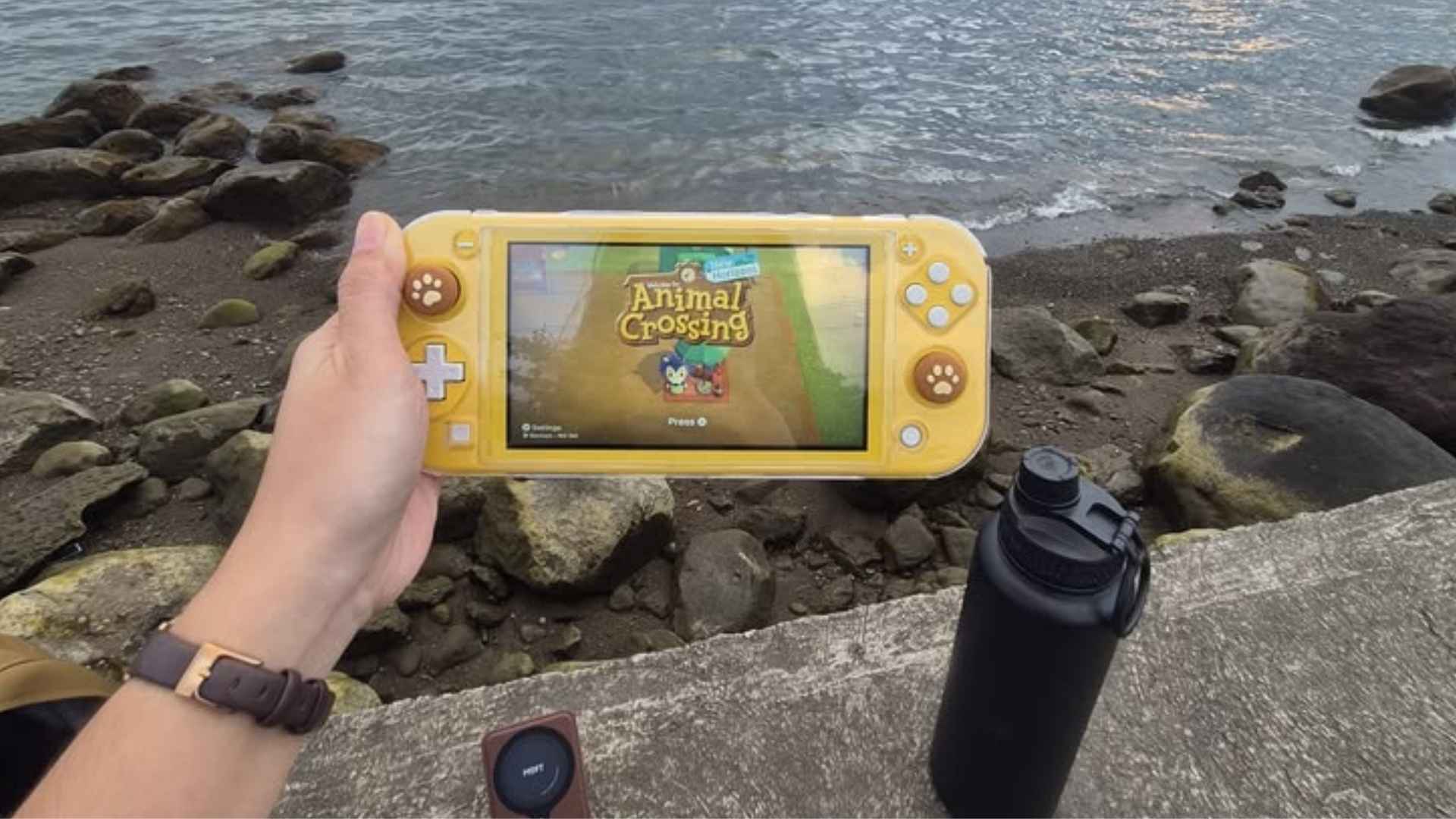
The gaming industry has shifted remarkably toward experiences that bring people together to solve complex puzzles and defeat common foes. Instead of pitting players against each other in tense battles, modern cooperative titles encourage collective problem-solving and shared strategic thinking. These digital environments foster strong team bonds and offer a refreshing change of pace for communities worldwide.
The Core of Strategic Adventure Systems
Modern gaming experiences depend heavily on design depth, community activity, and evolving progression systems. Multiplayer games with strategic adventure progression require participants to think critically about their decisions rather than relying solely on quick reflexes. Every choice made by the squad can alter the course of their journey, making planning essential for success.
As teams advance through these detailed worlds, they encounter dynamic narrative paths that respond to their collective choices. This collaborative shift helps bridge generational divides by fostering shared digital experiences that feel meaningful to everyone involved. The combination of discovery and tactical depth ensures that no two playthroughs feel identical.
Balancing Group Capabilities and Roles
Cooperative landscapes thrive when participants can select distinct archetypes that completely alter their approach to combat and coordination. These specialized systems ensure that every match feels distinct and highly strategic, forcing teams to distribute responsibilities wisely. A well-balanced party requires a mix of defensive, offensive, and utility roles to survive unpredictable environments.
For enthusiasts looking to explore diverse gaming styles and online ecosystems, visiting M88 asia provides access to platforms designed to enhance user engagement. Exploring these external hubs allows players to stay updated on modern digital systems that support community interactions. Developing these team-oriented habits ultimately prepares players for more demanding challenges down the road.
Long Term Engagement and Evolving Content drop
A primary driver behind long-term player retention is the implementation of robust character progression systems that reward time and effort. Online titles no longer remain static after launch, relying instead on dynamic content drops to sustain their active user bases. These recurring updates provide a powerful incentive for players to log in regularly and tackle fresh objectives.
By combining deep storytelling with cooperative mechanics, developers can create massive worlds where friends can team up for long journeys. Limited-time thematic celebrations and seasonal milestones ensure that the shared virtual environment remains vibrant and unpredictable. This ongoing support transforms standard gameplay loops into deeply satisfying multi-year experiences.
Fostering Advanced Interpersonal Skills
Engaging in structured multiplayer environments allows individuals to test their intellectual limits and sharpen their critical thinking. Cooperative video games regularly demand a high degree of mutual trust, coordinated planning, and active problem-solving among participants. As a result, players naturally develop better communication habits that translate well into real-world social dynamics.
When virtual communities face complex mechanical hurdles under extreme pressure, clear dialogue becomes the ultimate tool for survival. These interactive platforms function as modern gathering spaces where individuals build deep friendships and share complex strategies. Ultimately, the true value of these adventures lies in the shared victories and lasting bonds created along the way.